
Building Boundaries That Actually Work: Walls, Doors, and Windows in Your Relationships
As a premarital counselor, I spend a lot of time talking about boundaries. And I've noticed something: most people know boundaries are important, but they're not quite sure what good boundaries actually look like in practice. They've heard the word thrown around, maybe read that boundaries are "healthy," but when it comes to implementing them? That's where things get fuzzy.
So let me share the framework I use with couples - one that's helped countless people move from boundary confusion to boundary clarity.
Why Boundaries Matter (And Why They're Not Mean)
First, let's clear something up: boundaries aren't walls you build to keep people out because you don't like them. They're not about being cold, distant, or unloving. In fact, good boundaries are one of the most loving things you can create in your relationships.
Think of it this way: if you don't know where you end and someone else begins, how can you truly show up as yourself? And if you're always saying yes when you mean no, always accommodating when you're depleted, always available when you need rest - well, eventually resentment moves in and makes itself comfortable. And resentment? That's far more damaging to relationships than a clearly communicated boundary ever could be.
Boundaries are simply the guidelines that help you honor your values, protect your energy, and show up as your best self in your relationships. They're about sustainability, not selfishness.
The Three Parts of Effective Boundaries
Over the years, I've noticed that setting boundaries successfully involves three distinct parts. Miss one, and the whole thing tends to fall apart.
Part 1: Understanding Your Values and Desires
You can't set a boundary if you don't know what you're protecting. This is the internal work - the quiet, reflective part where you get honest with yourself about what matters to you.
What do you value? Privacy? Family time? Creative space? Honesty? Rest? Adventure? Your values are your compass, and your boundaries exist to protect them.
This is also where you identify your desires - not just what you'll tolerate, but what you actually want. Too often, people set boundaries solely from a place of "I don't want this anymore," but healthy boundaries also make room for "I want more of this."
Ask yourself: What makes me feel alive? What drains me? Where do I need more space, and where do I want more connection? The answers to these questions are the foundation of your boundaries.
Part 2: Sharing Your Boundaries with Those Affected
Here's where people often stumble. They do the internal work, they know what they need, and then... they expect everyone to just know. Or they drop hints. Or they get upset when someone crosses a boundary that was never communicated.
A boundary you haven't shared is just a wish. Read that one again…it’s important..
Communication of your boundaries requires clarity and courage. That’s why it’s so hard. You have to actually tell the people in your life what your boundaries are. Not in an apologetic whisper, not buried in a joke, but clearly and kindly.
"I won't be checking work email after 7 PM anymore." "I need advance notice before hosting guests." "I'm not comfortable discussing my finances with extended family."
Notice these aren't requests for permission. They're information. You're letting people know how things are going to be, because you've done the work of figuring out what you need. (If you need to take a step back and figure out what you need, you may want to start with this Core Values Exercise)
And yes, this can feel uncomfortable. It might even feel rude at first, especially if you've spent years people-pleasing. But discomfort isn't the same thing as wrongness. Sometimes the most loving thing you can do is be clear.
Part 3: Holding Everyone Accountable (Including Yourself)
This is the part that separates boundaries from suggestions. A boundary without accountability is just a nice idea.
When someone crosses your boundary - and someone will, because we're all human and sometimes we forget or test or genuinely misunderstand - you have to follow through. This might mean restating the boundary. It might mean a consequence. It might mean removing yourself from a situation.
But here's the thing people forget: you're also accountable to your own boundaries. If you set a boundary about not checking work email after 7 PM, you don't get to check it either. If you establish a boundary about how you want to be spoken to, you need to speak to others that way, too.
Boundaries work best when everyone, including you, knows they're real.
Walls, Doors, and Windows: The Architecture of Your Boundaries
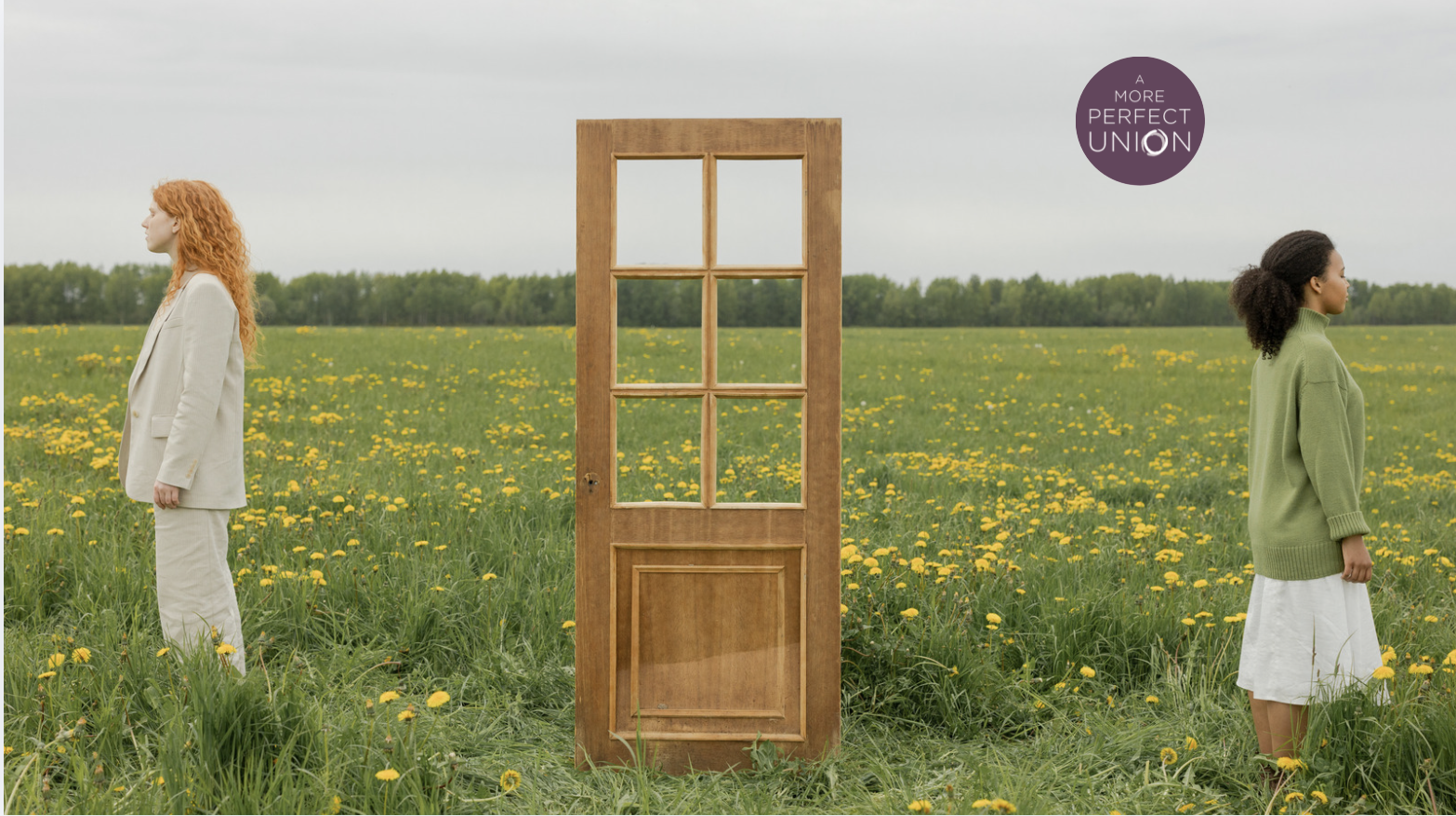
Not all boundaries look the same, and that's actually a good thing. I like to think of boundaries in terms of architecture - walls, doors, and windows. Each serves a different purpose.
Walls keep things private. These are the firm boundaries around the parts of yourself or your life that aren't up for discussion or access. Maybe it's your therapy sessions, your financial decisions, your past relationships, or your spiritual practices. Or it may be how you protect your relationship from family members. Walls say, "This is ours, and it's not available to you." That's not cold; it's self-respect.
Doors allow people to enter, but on your terms. A door can be opened or closed. You control who comes in, when, and under what circumstances. Your home might have a door boundary - people can visit, but they need to call first. Your time might have a door boundary - you're available to help, but not at the expense of your own priorities. Doors are about access with intention.
Windows let people see in, but not participate. These are the boundaries where you share information, allow observation, maybe even invite feedback - but you retain full decision-making power. You might share that you're working through something difficult (window), but you're not asking people to fix it or weigh in unless invited (they can see in, but they're not coming through the door).
The healthiest people I know have a mix of all three. They know what to keep completely private, what to share selectively, and what to allow others to witness. It's not about being closed off; it's about being intentional.
Common Boundary Mistakes (And How to Fix Them)
Even with the best intentions, boundary-setting can go sideways. Here are some patterns I see often:
Mistake 1: Setting boundaries as punishment. If you're setting a boundary because you're angry or want to teach someone a lesson, pause. Boundaries should come from a grounded place of self-knowledge, not from reactivity. Take a breath, get clear, then communicate.
Mistake 2: Over-explaining. You don't need a dissertation to justify your boundary. "I need to leave by 8 PM" doesn't require a detailed explanation of your sleep schedule, your morning routine, and your entire life story. The boundary is enough.
Mistake 3: Apologizing for your boundaries. "I'm so sorry, but I just can't..." Stop. You don't need to apologize for taking care of yourself. State your boundary with kindness, but not with guilt.
Mistake 4: Expecting instant understanding. People who have benefited from your lack of boundaries might not love the new ones. That's okay. Their adjustment period isn't your responsibility. Stay consistent and let them catch up.
Mistake 5: Making all walls and no doors. If every boundary is rigid and impenetrable, you might be protecting yourself right into isolation. Healthy relationships require some vulnerability, some access, some give and take. The goal isn't a fortress; it's a thoughtfully designed home with the right mix of privacy and connection.
Who's In Your Circle?
There's another layer to boundaries that's worth considering: the boundaries around who you allow into your life and in what capacity.
Think of concentric circles. Your innermost circle - your closest people - get more access, more vulnerability, more of your time and energy. The outer circles? They get less. And some people? They don't get a circle at all. They're outside the boundary entirely, and that's okay.
This isn't about being exclusive or unkind. It's about recognizing that your time, energy, and emotional capacity are finite. You can be polite and kind to everyone without giving everyone the same level of access to your life.
Ask yourself: Who earns a place in my inner circle? Who respects my boundaries? Who adds to my life rather than depleting it? And just as importantly: Who am I keeping in my circle out of obligation, guilt, or habit?
Sometimes the most important boundary you'll set is the one that says, "You can't be close to me anymore." Not because they're bad, but because the relationship isn't healthy for you.
The Practice of Boundaries
Here's what I want you to know: boundaries are a practice, not a destination. You won't get them perfect. You'll set some that are too rigid and have to soften them. You'll set some that are too loose and have to firm them up. You'll communicate them clumsily at first, and that's okay.
What matters is that you start. That you pay attention to your values and desires. That you find the courage to share your boundaries with the people they affect. That you hold yourself and others accountable to them.
Because on the other side of that practice? There's more peace. More authenticity. More energy for the things and people that truly matter. More space to be yourself.
And isn't that what we're all really after?
What's one boundary you've been thinking about setting but haven't yet? What's holding you back? I'd love to hear your thoughts in the comments.